
12 // RISK
Risk Management & Business Continuation Planning
Anticipate. Withstand. Recover.
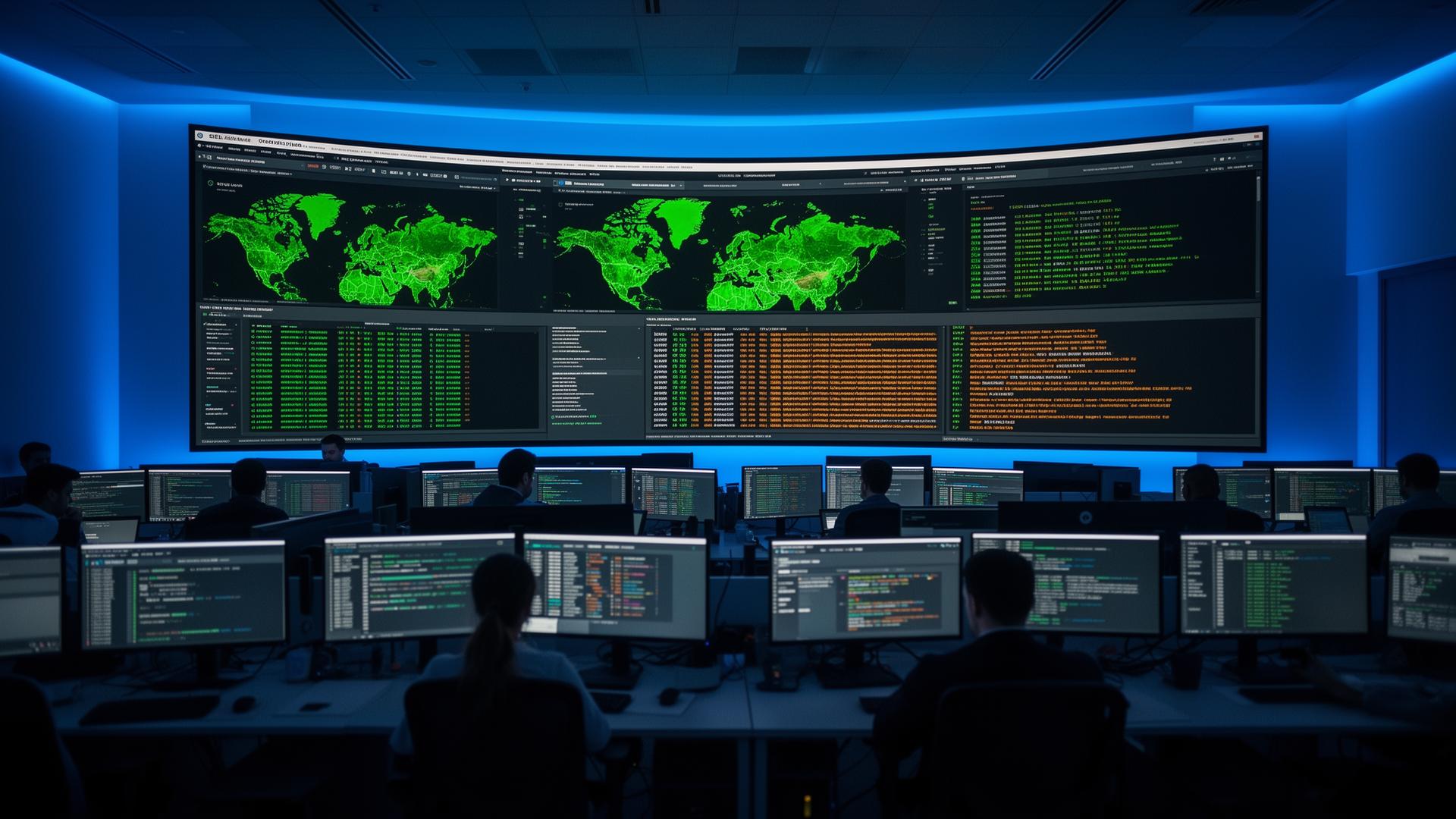
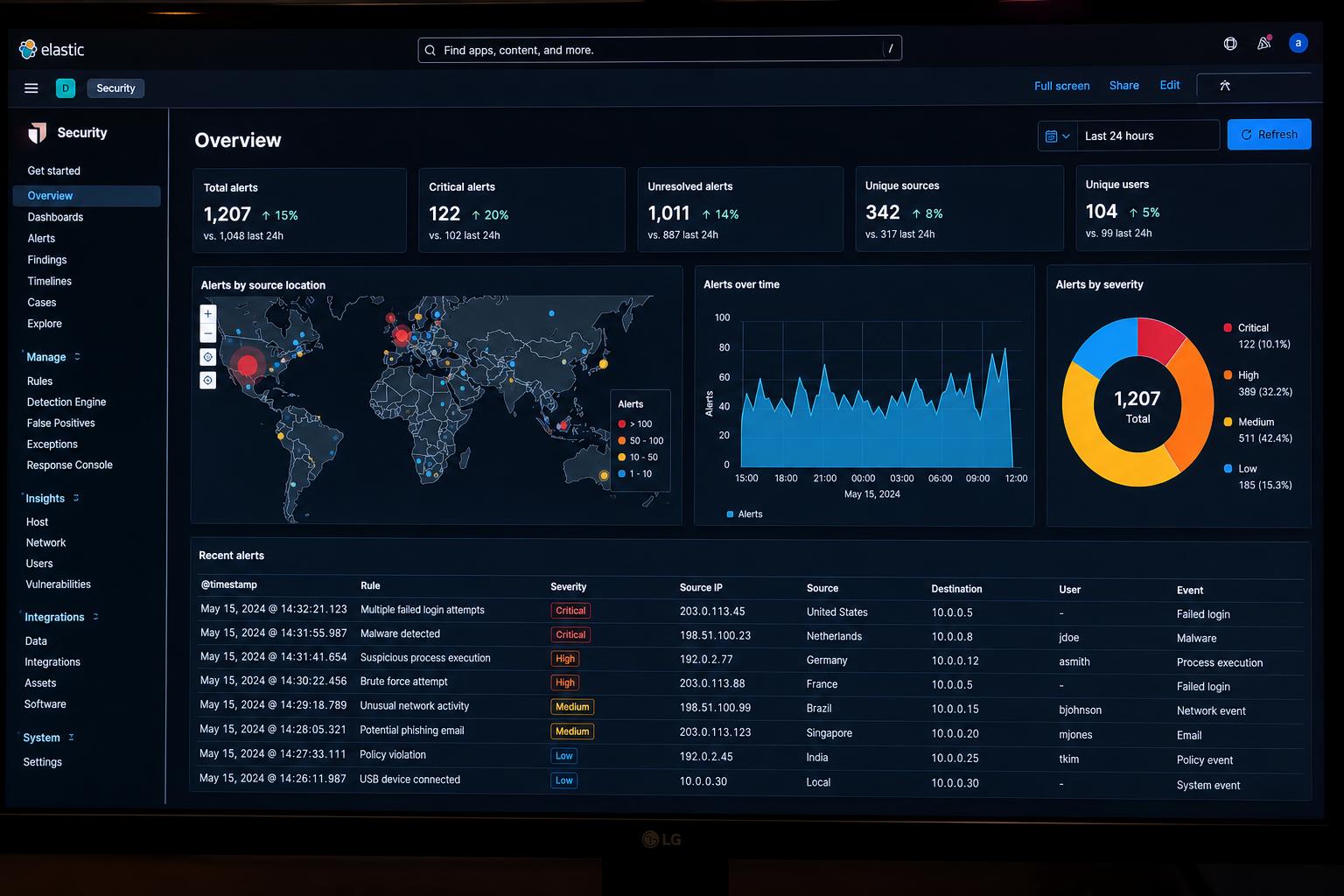
Modern risk is fused — cyber, physical, geopolitical, and supply-chain threats no longer move in separate lanes. We bring those signals into a single program: internal risk telemetry, external OSINT, dark-web exposure feeds, and live vulnerability data, all governed under a vCISO who answers to your board.
Continuity work is built to NIST SP 800-34 Rev. 1 — policy, business impact analysis, preventive controls, recovery strategies, written plans, exercises, and maintenance. Plans are operational, not shelfware: every critical process has a defined RTO and RPO, every team has a runbook, every plan is tested.
Sustainment is the difference between a binder and a capability. Our retainer programs deliver quarterly tabletops, post-incident after-actions, continuous OSINT and dark-web monitoring, annual pen tests, and ongoing vCISO governance for leadership and audit.
NIST SP 800-34 Rev. 1 · CSRC
Beyond Backups.
Engineering organizational resilience.
Don't just survive a disruption — adapt and thrive.
Simple data backups are no longer enough. True resilience is the ability to rapidly adapt and recover from any known or unknown change to your environment. We move your business beyond a static, rules-based approach to a risk-based posture where security investment becomes a fundamental driver of every organizational decision.
Legacy
Rules-based
Static security requirements
365 Approach
Risk-based
Dynamic, threat-informed posture
Legacy
Backups
Recover data only
365 Approach
Resilience
Adapt, recover, and thrive
Integrate risk intelligence into one program
All critical risk signals at your fingertips
From internal telemetry to external OSINT and dark-web feeds, our analysts query and correlate dispersed risk data in one secure program — governed by a vCISO who reports directly to your leadership.
Fuse internal risk signals with external OSINT
Asset, vendor, and identity risk merged with reputable OSINT sources and continuous dark-web exposure monitoring — one analytical view, not eight dashboards.
Continuous dark-web and breach exposure feeds
Executive, brand, and credential exposure tracked across surface, deep, and dark web with curated alerts your team can actually act on.
Respond to emerging threats and adversaries
Achieve comprehensive situational awareness
Quickly identify single points of failure and attribute emerging threats — across people, sites, vendors, and systems — so leadership can make informed, preemptive decisions before disruption hits the balance sheet.
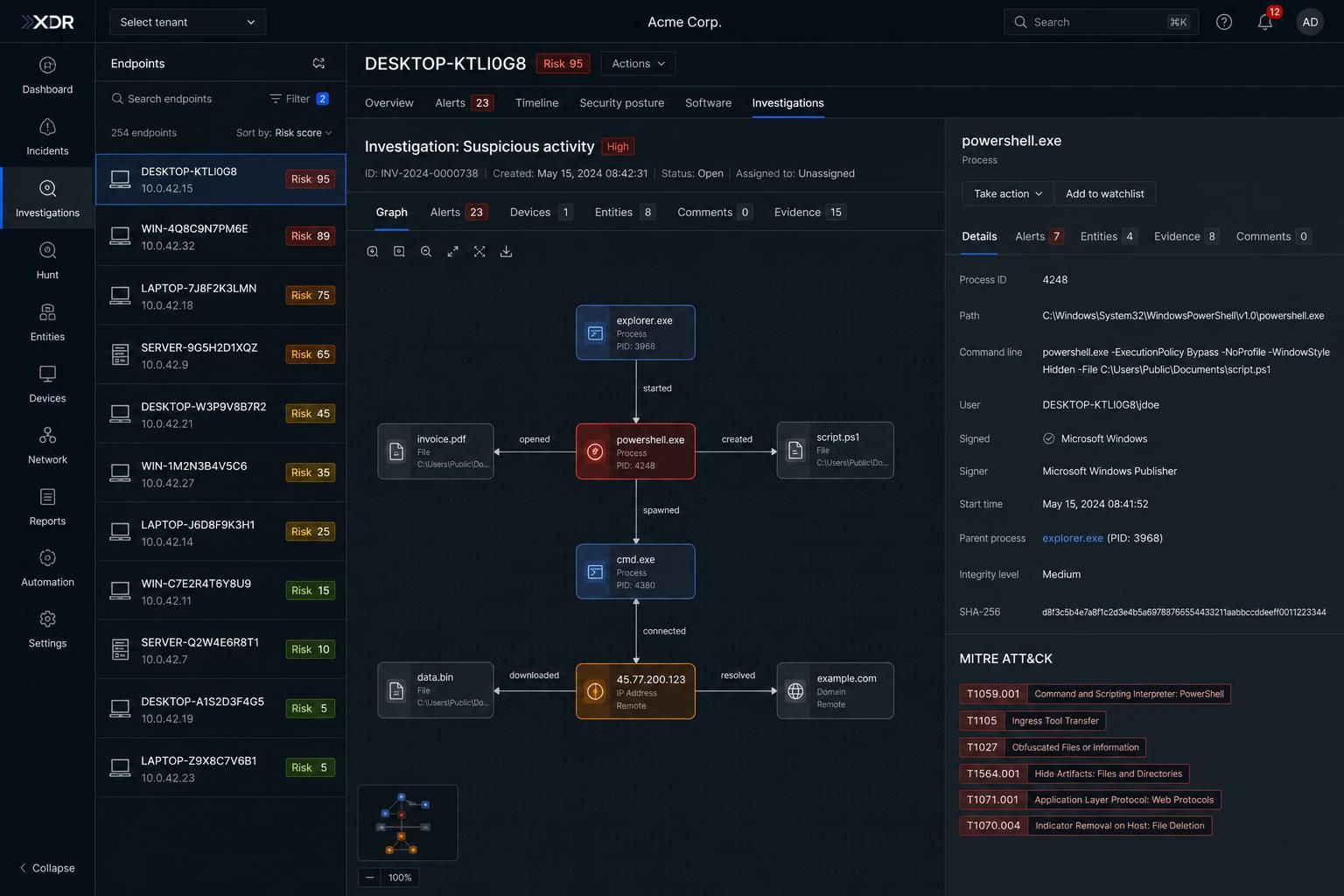
Identify single points of failure
People, facilities, suppliers, and systems mapped and ranked by the operational impact of losing each one — the foundation of every NIST 800-34 Business Impact Analysis.
Monitor high-risk environments for early signals
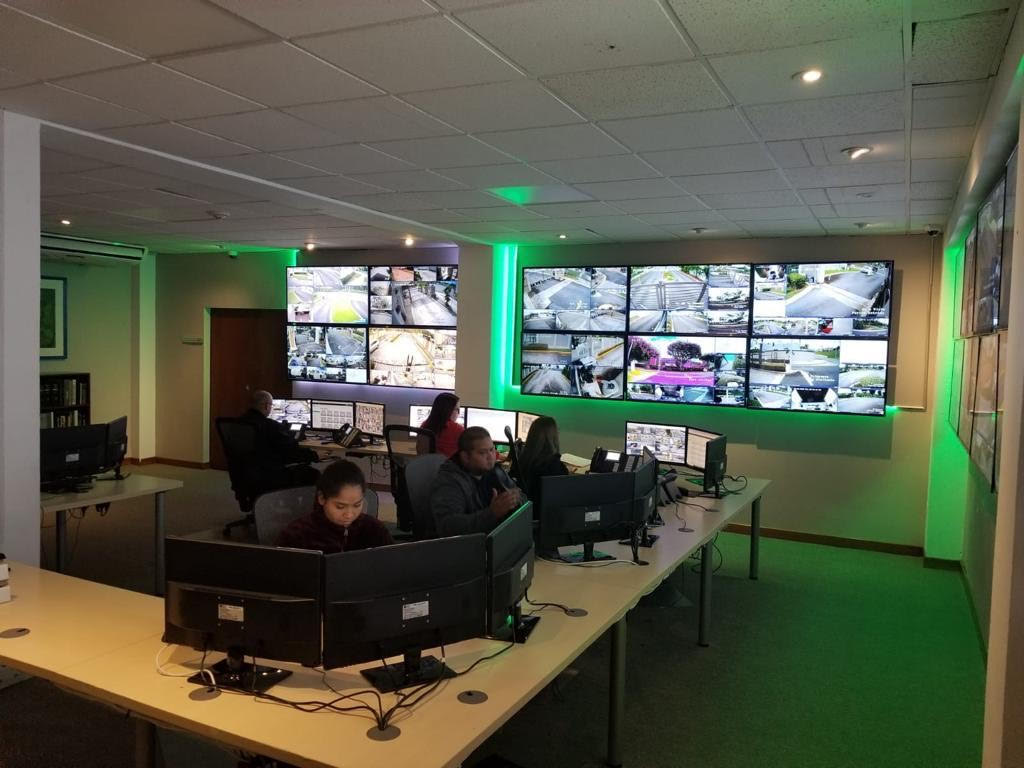
Real-time OSINT, geopolitical, and infrastructure-exposure monitoring detects early indicators in time to act, not react.
Elevate collaboration for mission success
Streamline response with standardized playbooks
Coordinate across IT, security, legal, operations, and executive leadership with one standardized lifecycle: assess, design, exercise, sustain.
Standardized assess → design → exercise → sustain workflow
Built to NIST SP 800-34 Rev. 1. Every plan moves through the same governed seven-step lifecycle, with deliverables your auditors and regulators recognize.
Break down silos between IT, security, legal, and operations
Cross-functional tabletops, shared runbooks, and unified crisis-communications protocols so an incident never stalls at the seam between two teams.
aligned BCP methodology
OSINT & dark-web monitoring
defined for every critical process
tabletop exercises (retainer)
Capabilities
Six disciplines. One risk program.
vCISO Services
Fractional security leadership: strategy, board reporting, policy authoring, vendor and third-party risk, regulator and audit liaison, security governance for organizations not ready for a full-time CISO.
Risk Assessments & Mitigation Plans
Enterprise risk register, threat modeling, control-gap analysis against NIST CSF / ISO 27001, and a prioritized, costed remediation roadmap leadership can actually fund.
Ransomware Recovery Plans
Isolation procedures, recovery sequencing, immutable backup verification, pay-vs-rebuild decision matrix, ransom-negotiation protocols, and post-incident hardening playbooks.
OSINT & Dark-Web Monitoring
Continuous executive, brand, credential, and infrastructure-exposure monitoring across surface, deep, and dark web — with curated, actionable intelligence reporting.
Pen Testing & Vulnerability Assessments
External and internal penetration tests, web-application testing, authenticated vulnerability scans, phishing and social-engineering campaigns, with prioritized remediation guidance.
Business Continuity Plans · NIST 800-34
Full seven-step contingency planning lifecycle: policy, BIA, preventive controls, recovery strategies, written plans, testing & training, and ongoing maintenance.
NIST SP 800-34 Rev. 1
The seven-step contingency planning lifecycle.
The gold standard for contingency planning — integrated into every stage of your System Development Life Cycle (SDLC).
Contingency Planning Policy
Establish leadership-signed authority, scope, roles, and resourcing for the entire continuity program.
Business Impact Analysis
Identify mission-essential functions; quantify MTD, RTO, and RPO for every critical system and process.
Preventive Controls
UPS, fire suppression, environmental sensors, redundancy — reduce the likelihood and impact of disruption.
Recovery Strategies
Tailored cold, warm, or hot alternate sites and recovery approaches that hit BIA-derived RTO/RPO targets.
Information System Contingency Plan
Author the activation, recovery, and reconstitution playbook your team can actually execute under pressure.
Testing, Training & Exercises
Tabletop, functional, and full-interruption tests with documented after-actions and gap remediation.
Plan Maintenance
Treat the ISCP as a living document — scheduled reviews and change-driven updates tied to governance.
A comprehensive suite of protection
Resilience requires a coordinated ecosystem of plans.
We help you develop and synchronize the full NIST 800-34 plan family — each with a distinct scope, owner, and activation trigger.
COOP vs ISCP
Mission Essential Functions vs. Information Systems.
Two plans most often confused — and most often mis-scoped. Here is the distinction your auditors and regulators will expect to see.
Keep the mission running.
Restores Mission Essential Functions at an alternate operating site for up to 30 days — owned by executive leadership, focused on people, processes, and physical operations.
Keep the system running.
Restores a specific information system — owned by the system owner / IT, focused on activation, recovery, and reconstitution procedures regardless of physical location.
The Cost-Balance Advantage
Invest exactly where it matters most.
The longer a disruption lasts, the more it costs your business. The faster the recovery required, the more expensive the solution. Our risk-based analysis finds your Cost Balance Point — where the cost of system inoperability meets the cost to recover.
- Quantify the cost of downtime per critical process.
- Model cold, warm, and hot recovery cost curves.
- Set RTO / RPO targets that survive board scrutiny.
Who benefits
Built for organizations where downtime is not an option.
Critical-infrastructure operators
Energy, water, transportation, and communications operators where downtime cascades into public-safety impact and regulator scrutiny.
Financial, healthcare & regulated enterprises
Boards demanding evidence of resilience: GLBA, HIPAA, SOX, PCI, and state breach laws — with auditors who expect NIST-aligned artifacts.
State, local government & education
Public agencies, K-12 districts, and higher-ed institutions running essential services on lean teams with rising ransomware exposure.
Engagement model
Assess. Design. Exercise. Sustain.
Every engagement runs the same four-phase arc, scaled to your size and risk profile. Retainer clients stay in the Sustain phase indefinitely — with continuous monitoring, quarterly exercises, and an on-call vCISO.
Assess
Risk register, BIA, control-gap analysis, OSINT and dark-web baseline, vulnerability and penetration testing.
Design
Recovery strategies, written plans, ransomware playbooks, vCISO governance cadence, board-level reporting.
Exercise
Tabletop and functional exercises, phishing simulations, red-team scenarios, after-action reviews.
Sustain
Retainer-based vCISO, continuous monitoring, quarterly exercises, annual reassessments, regulator and audit support.
Ready to secure your future?
Start with a focused engagement.
Request a Resilience Audit
A full posture review against the NIST contingency-planning lifecycle: policy, BIA, preventive controls, recovery strategies, plans, exercises, and maintenance.
BeginSchedule a Business Impact Analysis
Identify your mission-essential functions and quantify Maximum Tolerable Downtime, RTO, and RPO — the foundation every recovery decision is built on.
ScheduleReady to discuss your needs?
Our team will work with you to build a custom security plan tailored to your operation.
Request a Proposal